
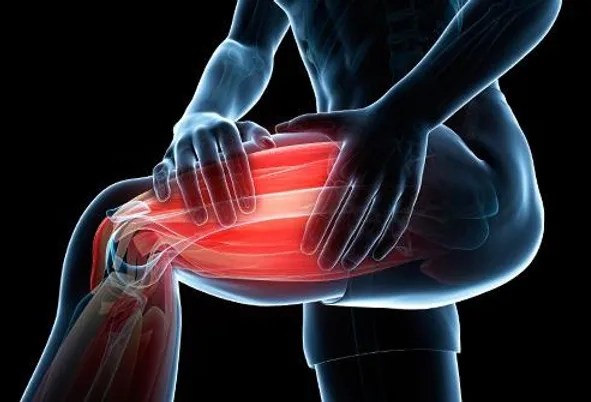
What is a Muscle Spasm?
A muscle spasm refers to the involuntary and forceful contraction of a muscle. They most commonly occur in the thighs, calves, feet, hands, and arms but can also occur in places like the abdomen or along the rib cage. Muscle spasms are typically harmless, but they may result in the inability to use the muscle for a short period of time.
When Do Muscle Spasms Occur and by What Causes?
Muscle spasms can occur due to several causes, including a lack of nutrients, dehydration, electrolyte imbalances, muscular tension, overuse of a muscle, increased demand of blood flow, and numerous underlying medical conditions, including arteriosclerosis, nerve compression, and neurodegeneration.
How to Treat Muscle Spasms
Often, muscle spasms do not require treatment and disappear on their own. An individual may be able to ease a muscle spasm by stopping any activity that could have triggered the muscle twitches and attempting to gently stretch and massage the affected muscle. Applying gentle heat (e.g., heating pad) to tight muscles may also relieve symptoms. When muscle spasms persist and become painful, one can consider taking NSAIDs (e.g., ibuprofen). If muscle cramps become severe, clinicians may prescribe muscle relaxants (e.g., baclofen). It is also essential to rule out possible underlying issues that may be contributing to the muscle spasm (e.g., dehydration) and rectify it. Preventive measures to reduce the incidence of muscle spasms include adequate hydration and proper stretching before and after exercise.
How Muscle Spasms Can Occur During Athletic Activity
One example of muscle spasms occurring in a person participating in athletic activities would be when a person fails to adequately stretch prior to and after a strenuous physical activity and does not drink enough fluids to prevent dehydration. Also, when an athlete overuses a particular muscle in a short period of time, muscle spasms may occur.
How Muscle Spasms Can Occur in Older Adults
Muscle spasms may occur in elderly adults for various reasons and may point to other underlying conditions. Some examples would be atherosclerosis, acute kidney failure, dehydration, diabetes, diarrhea, nerve damage, Parkinson’s disease, restrictions in the blood supply, and thyroid disease. Also, many medications that elderly patients take can lead to muscle spasms as a side effect (e.g., diuretic medication causing dehydration).



 The Think Tank
Leave a comment