
One of the most important and first things a culture does to express itself is through their belief of how we and the land we stand on was created. These creation myths closely relate to its people and to the things they care about and worship.
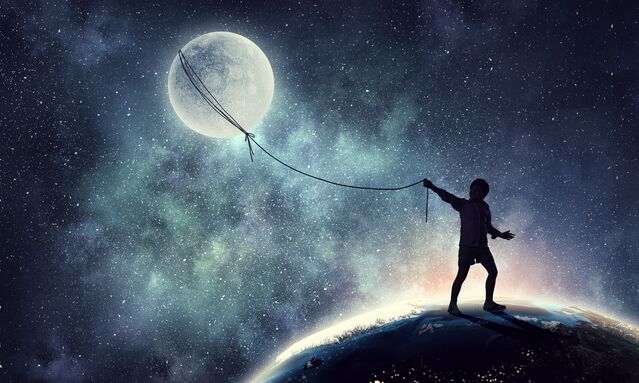
In the creation story Genesis, the most known, depicts a single God that creates everything from nothing in six days. He is the creator of Earth and man rules over earth, being created in God’s image. In contrast, Greek mythology presents the story of Gaia, the first deity and the Earth goddess is about a great war of gods. Gaia gets bored and creates a husband and eventually she orders her children to kill him and a great war starts. This war lasted 10 years until Zeus and the Olympains emerged victorious. According to this myth, the Earth was thought to be a flat disk that was encircled by water, with a dome and an inverse dome. Then later, a titan, Prometheus, shaped man out of mud and a goddess, Athena, breathed life into the mud, creating man. In the Moon and the Morning Star, a creation story from Zimbabwe, opens with an earth with only water and darkness. There is a stone vault that makes up the sky called Galúnlati which got too crowded and the animals wanted to move down to earth. They sent a water-beetle to search the earth and it came back with mud which later grew and became earth. They believed the earth was suspended on four corners from ropes from the sky. The legend is that the ropes will eventually break and the earth will sink back into the water.
These myths diverge significantly from each other, depicting diverse ideas about creation and the nature of their Earth. The story of Genesis emphasizes the importance of God, while Greek mythology focuses on the themes of war and conflict. The Zimbabwean myth underscores the Earth emerging from water, and doesn’t include an immediate mention of humanity. They all have very different ideas of how creation happened and how the earth is shaped/how it works. It also shows what is important to them. For the Christians, they believe that God is the most important and is what they define and represent their culture with. For the Greeks and Romans, they cared about war and battle, which is represented by their creation stories. For the Egyptians, they worshiped the afterlife and the Nile, both of which play large parts in their creation myth. This similarity happens in all creation myths, true or not, because it gives the people and their future generations a meaning and sense of life and what to do.


 The Think Tank
Leave a comment