
All iPhones have a lithium ion battery as well as most smartphones with a few exceptions of polymer batteries. The battery has a positive and negative side, lithium ions, and a liquid electrolyte solution. The ions flow from the negative to the positive side through the liquid electrolyte solution. The flow releases energy into the phone’s circuit which keeps the phone powered by the battery. When the flow ends, the phone’s battery is dead. The batteries are like sponges. This is because they absorb the most energy when they have the least energy in them. As the battery gets closer to being fully charged, it cannot absorb the energy as efficiently which results in excess energy lost and slower charging speeds. Charging works on a curve. When a charger is marketed as 65 watts, 100 watts, 150 watts, that is not the constant rate of charging, it is the peak speeds the charger is capable of.
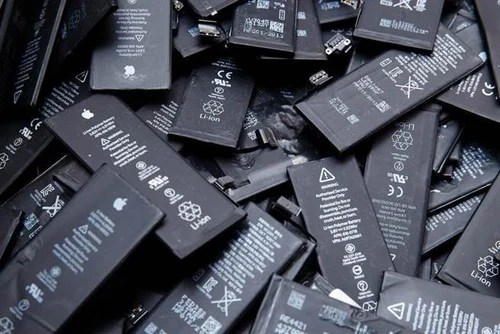
How Does the iPhone Battery Work?
All iPhones have a lithium ion battery as well as most smartphones with a few exceptions of polymer batteries. The battery has a positive and negative side, lithium ions, and a liquid electrolyte solution. The ions flow from the negative to the positive side through the liquid electrolyte solution. The flow releases energy into the…
1–2 minutes




 The Think Tank
Leave a comment