One thing is making current medical procedures and images more efficient and simple, the even more important side is discovering and developing new drugs for various purposes. Many diseases exist with no cure as well as many cures not working 100% of the time or being a very lengthy and TK process, such as chemotherapy. AI algorithms can analyze molecular structures, predict drug interactions, and greatly accelerate the drug discovery process, potentially leading to faster development of new medications and treatments. These algorithms can analyze vast amounts of biological, chemical, and clinical data from various sources, including scientific literature, genomic databases, and clinical trials. This in result enables researchers to identify novel drug targets, predict drug interactions, and explore new therapeutic methods more efficiently than manual literature review or database searches. Unlike the current methods of drug testing, normally practiced on animals and difficult to understand, artificial intelligence can model extremely complex, intricate biologic processes and drug interactions with a far greater accuracy and speed than any traditional computational method. This may also in turn allow scientists to no longer need animal testing as well as the next step which many do not approve of, human testing. These machine learning algorithms can learn from massive datasets of molecular structures, biological pathways, and drug responses to predict the efficacy and safety of potential drug candidates. A scientist is indeed abundant with knowledge, but artificial intelligence is able to fully understand and remember all scientific data ever gathered in the history of man: which is a little more knowledge so to say. A common practice in the medical world is drug repurposing: using current drugs for other purposes they were designed for. An example of this would be Amantadine, a drug originally developed for influenza, but later repurposed to treat Parkison’s disease. Discovering new drugs is an extremely difficult task, which gets exponentially harder with every new drug discovered; leveraging the use of current drugs that have been highly tested and that have a large amount of data on them, and repurposing them, seems to be by far the best idea. By identifying existing drugs, AI algorithms can identify existing drugs with potential therapeutic effects for new indications by analyzing their molecular structures, biological targets, and clinical data. This approach to drug repurposing will most likely lead to far more success than discovery of new drugs as it will accelerate the development of new treatments for diseases with unmet medical needs without the arduous process of discovering new drugs. As always, AI does pose concerns in a few circumstances. As AI algorithms need to be taught, it leads to the likely possibility that there is bias, inconsistencies, and limitation in that data they are taught with. This can affect the reliability and generalizability of AI models and predictions as well as lessen the quality, completeness, and accessibility of the data which is an extremely critical factor in the success of AI-driven drug discovery efforts. Biological systems are extremely complex as well as dynamic, thus making it a highly challenging task to correctly and accurately model and predict the effects of drugs on living organisms. The algorithms may struggle with the full complexity of biologic processes and interactions, which will eventually lead to errors and inaccuracies in their predictions. Therefore, AI predictions must be validated through extremely rigorous experimental testing in preclinical and clinical studies. A very important mindset that must remain is not having complete reliance on AI and not taking its data as 100% accurate. Although AI may help, it is likely that a system will have to be created in order to interpret and analyze the data provided. Designing these experiments require domain expertise and extremely careful consideration of factors such as study design, sample size, and statistical analysis. Unlike other discoveries or advancements, they don’t need to be 100% accurate or efficient, but with medicine even the tiniest of mistakes could result in countless life-threatening cases. Both the use of AI in general as well as the data they produce will very likely need to be regularly approved from health authorities, such as the FDA or EMA. These agencies will most likely require a substantial amount of additional evidence and validation in order to ensure the safety, efficacy, and quality of AI-generated drug candidates. Getting past the authorities is already an extremely long, difficult task, but the ethical and legal considerations that may arise could pose even a larger threat to bringing AI into healthcare. Some issues related include data privacy, intellectual property rights, and transparency in algorithmic decision-making. Ensuring ethical and responsible use of AI in drug discovery and really in any medical use is essential to maintain public trust and regulatory compliance. Despite the challenges presented, AI has the potential to make a great revolution for drug discovery development by accelerating the identification of novel drug candidates, optimizing drug design and formulation, and personalizing treatment approaches for individual patients. Collaborative -not just AI- efforts between AI researches, pharmaceutical companies, regulatory agencies, and healthcare stakeholders in addition to AI are essential to overcome these challenges and see the full potential of AI in advancing drug discovery and development.
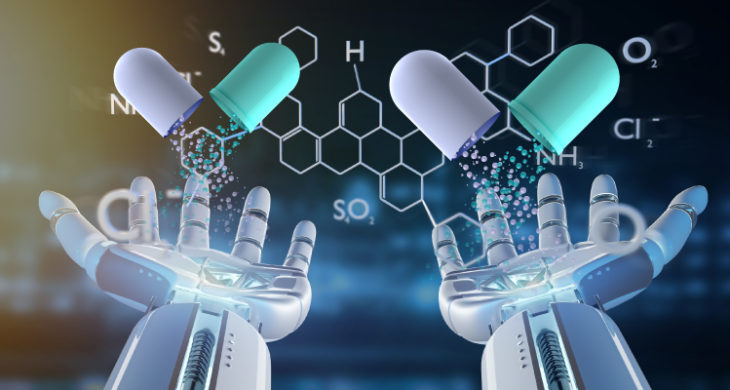
AI in Drug Discovery: Accelerating Development and Repurposing for Better Treatments
One thing is making current medical procedures and images more efficient and simple, the even more important side is discovering and developing new drugs for various purposes. Many diseases exist with no cure as well as many cures not working 100% of the time or being a very lengthy and TK process, such as chemotherapy.…
4–5 minutes
One response to “AI in Drug Discovery: Accelerating Development and Repurposing for Better Treatments”
-

[…] AI in Drug Discovery: Accelerating Development and Repurposing for Better Treatments […]
LikeLike



 The Think Tank
Leave a comment