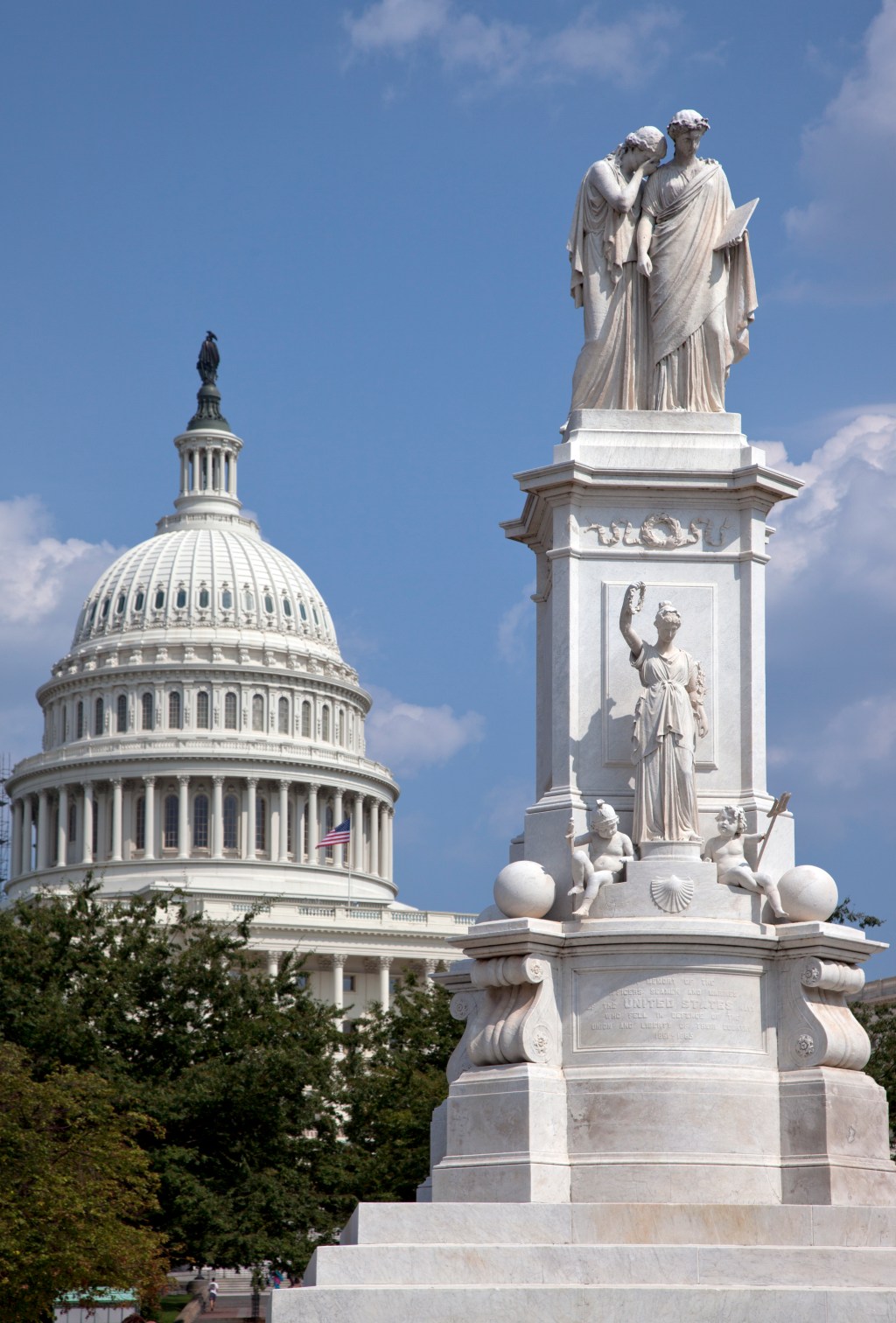
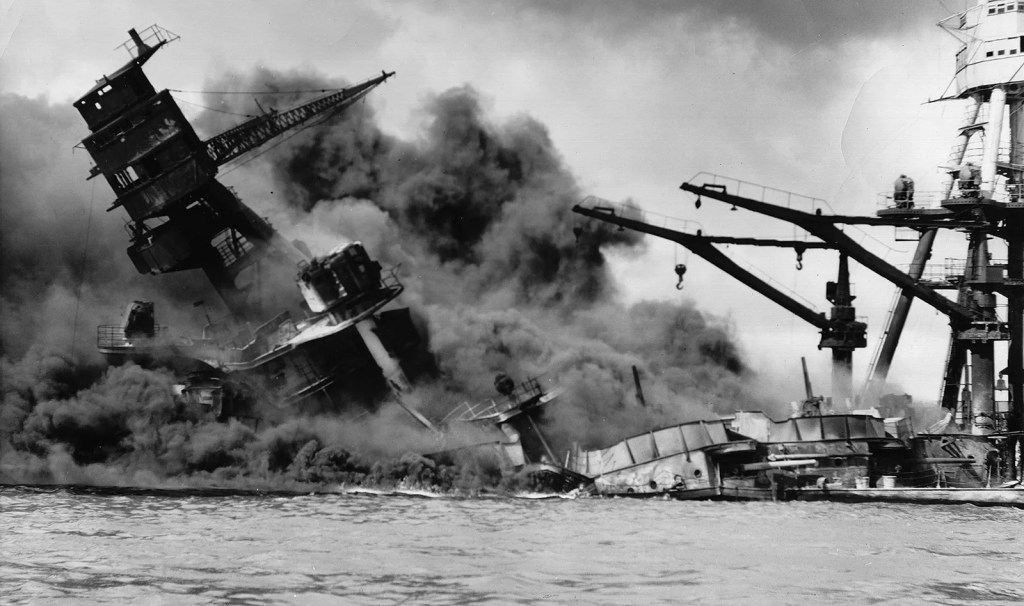
Public memorials and museums are not just places that store artifacts or historical legacies, but rather active agents in shaping collective memory and national identity. These institutions affect how history is remembered, especially as various cultural values and political situations change. Memorials should do more than just honor the past. They should: reinterpret history in new ways to align with modern beliefs, highlight both the accomplishments and the controversies of historical figures, and create safe spaces for public discussion and reflection. As alluded to prior, when new information or viewpoints emerge, museums and memorials have to adapt to this and should: include multiple perspectives for maximum accuracy, update how these figures are portrayed to align with modern viewpoints, and use community-driven and interactive displays. This, in return, addresses the question: How do public memorials and museums shape collective memory and national identity by presenting conflicting narratives of political leaders with complex legacies, and how do these representations evolve in response to contemporary political and cultural values? In response to this question, memory institutions should implement digital tools, inclusive curation methods, and ethical ways to rethink historical events and figures. By doing this, history is kept relevant, democracy is strengthened, and social unity is promoted.
Read the full version below:


 The Think Tank
Leave a comment