
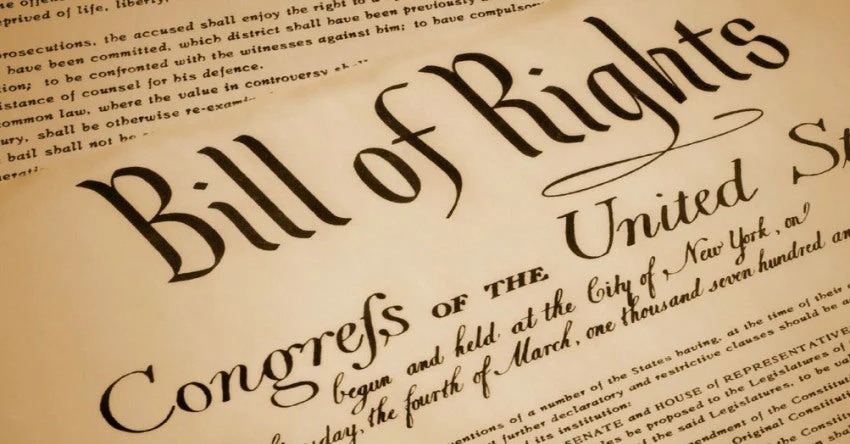
From the moment it was ratified, the Bill of Rights has served as the nation’s most enduring safeguard against abuses of power, securing both individual liberty and democratic government. Yet over the last two centuries, both the meaning and significance of its amendments have evolved along with American society itself. As political pressures, new technologies, and social conflicts have reshaped the United States, certain rights have risen or declined in practical importance. The evaluation of the Bill of Rights from a modern perspective reveals that some protections play a far more active role in shaping public life than others. In modern American society, the First Amendment is the most important because it secures all of the core freedoms that make democratic participation possible; following is the Fourth Amendment, whose privacy protections have become essential in an age of digital surveillance; finally, the Second Amendment also remains significant because it shapes debates about self-defense, public safety, and the overall limits of governmental power. The First Amendment’s system of expressive and religious freedoms forms the very structure where Americans debate, dissent, and hold authority accountable. The Fourth Amendment’s guarantee of privacy has gained a new urgency as digital surveillance has expanded to every part of daily life. And the Second Amendment, while still deeply influential in shaping national conflict over violence, self-defense, and governmental authority, does not support democratic participation as strongly or fundamentally as freedoms of speech or protections of personal security.
Read the full version below:

 The Think Tank
Leave a comment